
Thelonious Monk Quizzes
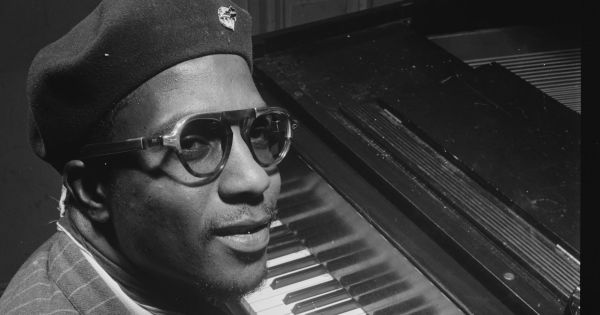
Thelonious Monk, one of the greatest jazz pianists and composers of all time, revolutionized modern music with his unique approach to rhythm and harmony. His distinctive improvisational style continues to influence generations of musicians worldwide.
Thelonious Monk Profile
| Born | Thelonious Monk Jr. was born in Rocky Mount, North Carolina on October 10, 1917. |
| Died | February 17, 1982 |
| Key Albums | Solo Monk (1965), Straight, No Chaser (1967), Brilliant Corners (1957), Underground (1968), Thelonious Monk with John Coltrane (1961), Genius of Modern Music, Volume 1 (1951), Thelonious Alone in San Francisco (1959), Thelonious Himself (1957), Criss-Cross (1963), Monk’s Blues (1969). |
| Key Tracks | 'Round Midnight (1954), Ruby, My Dear (1951), Straight, No Chaser (1952), Blue Monk (1958), Monk's Dream (2008), I'm Confessin' (That I Love You) (1965), Epistrophy (1951), Brilliant Corners (1957), Pannonica (1957), Bemsha Swing (1957). |
| Grammy Record | 0 won and 1 nominated. |
| UK Singles Chart | 2 Number One Hits 5 Top-10 Hits |
RELATED GENRES